1. نظرة عامة: الازدواجية الوظيفية والاختيار الهيكلي
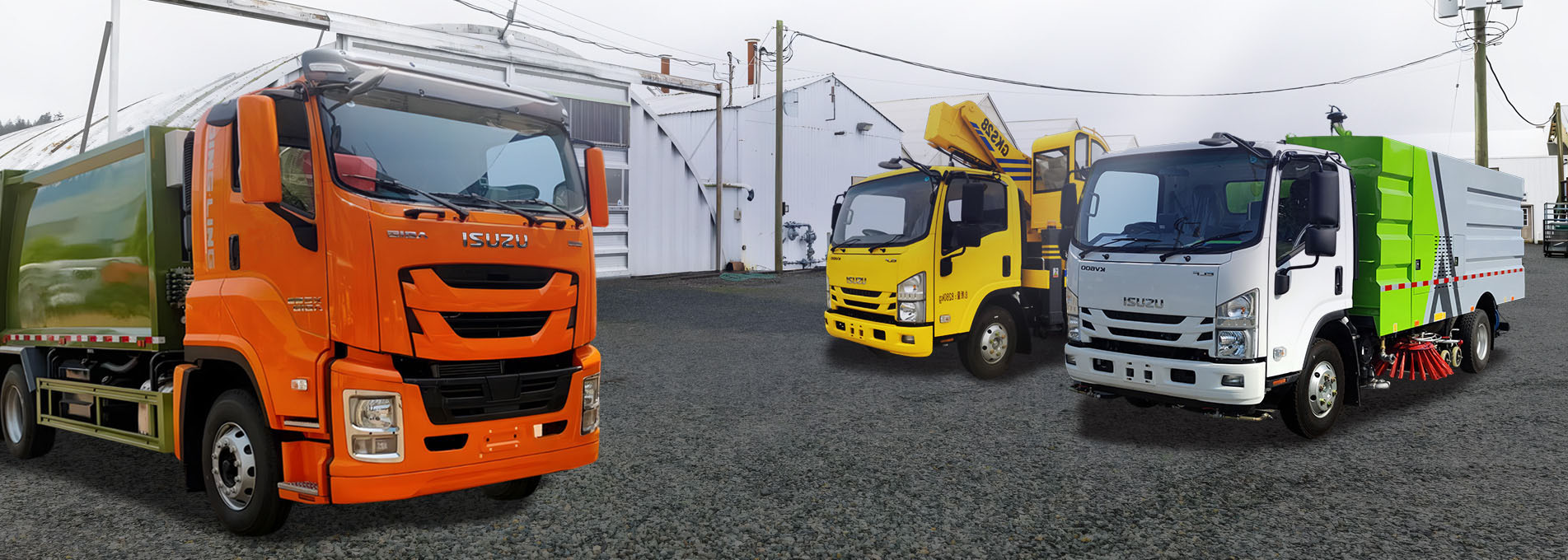
شاحنات شفط مياه الصرف الصحي من إيسوزو هي مركبات متعددة الوظائف للصرف الصحي البلدي، تجمع بين وظيفتين أساسيتين: غسل المياه بضغط عالٍ وشفط قوي. تُستخدم هذه المركبات بشكل أساسي لضخ مياه الصرف الصحي وتسليك المجاري المسدودة. ورغم أن هذه الوحدات متعددة الوظائف أغلى ثمناً من شاحنات الشفط التقليدية، إلا أن مرونتها التشغيلية أكسبتها قبولاً واسعاً في السوق. مع ذلك، يُعد اختيار تصميم الخزان الأمثل من أهم القرارات التي يتخذها المشترون المحتملون. وبشكل عام، تنقسم أنظمة الخزانات في هذه المركبات إلى فئتين رئيسيتين: الخزانات الجانبية والخزانات المدمجة. وتنقسم الأولى بدورها إلى تصميمات شبه مغلقة ومغلقة بالكامل، بينما تشمل الثانية أنواعاً مدمجة ومنفصلة. ويُعد فهم مزايا وعيوب كل تصميم أمراً بالغ الأهمية لتكييف المركبة مع الاحتياجات التشغيلية المحددة.
2. خزان جانبي - هيكل شبه مغلق: المفاضلات بين التكلفة والفعالية
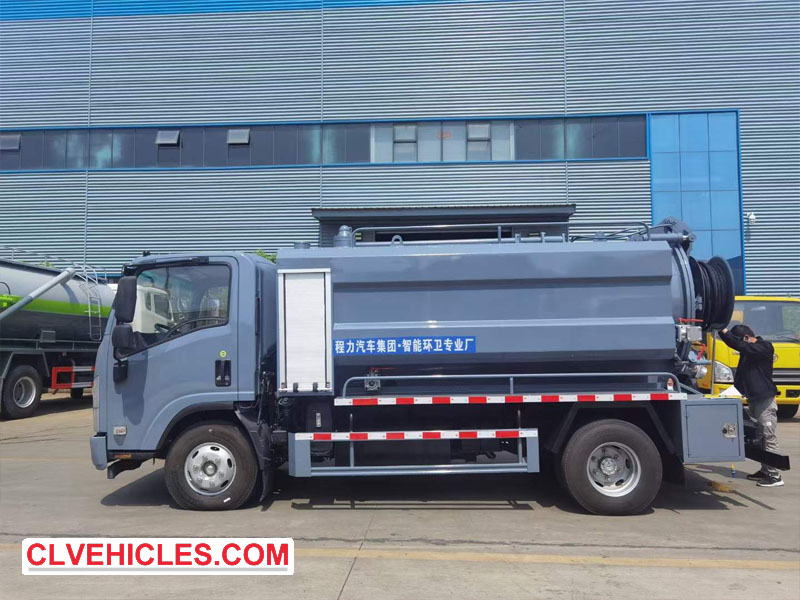
في تصميم جانبي شبه مغلق، يُثبّت خزان مياه الصرف الصحي المركزي، القابل للرفع هيدروليكيًا، على عوارض هيكلية. وعلى جانبيه، يوجد خزانان مربعان للمياه النظيفة مثبتان بإحكام على الهيكل، دون إمكانية رفعهما. تكمن الميزة الرئيسية لهذا التصميم في استغلاله الأمثل للمساحة، مما يوفر هيكلًا أكثر إحكامًا وحجمًا فعالًا أكبر نسبيًا لحجم المركبة. علاوة على ذلك، تبقى التكلفة الإجمالية للمركبة تنافسية بفضل النظام الهيدروليكي المبسط الذي يوفره خزان المياه الثابت. مع ذلك، تظهر العيوب بوضوح أيضًا: تصبح الصيانة الدورية والفحص والإصلاحات غير مريحة لعدم إمكانية رفع خزان المياه النظيفة، مما يتطلب غالبًا وصولًا صعبًا أو تفكيكًا إضافيًا - وهو عيب كبير بالنسبة لأسطول المركبات الذي يُعطي الأولوية لكفاءة الخدمة.
3. خزان جانبي - هيكل مغلق بالكامل: تكلفة أعلى، ولكن سهولة صيانة أكبر
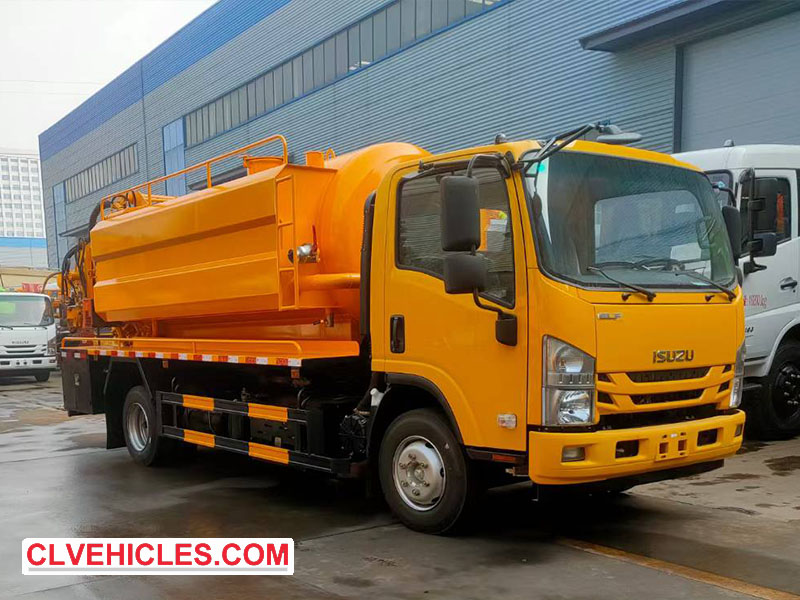
يُحافظ التصميم الجانبي المغلق بالكامل على خزان مياه الصرف المركزي، ولكنه يُحسّن خزان المياه النظيفة الجانبي، مما يسمح برفعه بالتزامن مع خزان مياه الصرف عبر آلية هيدروليكية مُنسقة. يوفر هذا التصميم العديد من المزايا الهامة: سعة أكبر لخزان المياه النظيفة، ورفع متزامن يُسهّل بشكل كبير الصيانة السفلية والوصول إلى المكونات، وإمكانية استخدام المساحة أسفل الخزان كمنصة مُخصصة لتخزين خرطوم الشفط، مما يُحسّن سهولة التشغيل. مع ذلك، تُؤدي هذه الوظائف المُحسّنة إلى عيب كبير، وهو أن أسطوانة الرفع الهيدروليكية يجب أن تتحمل أحمالًا أكبر ومتطلبات تزامن أكثر تعقيدًا، مما يزيد من تكلفة التصنيع ومتطلبات صيانة النظام الهيدروليكي. هذا ما يجعله الخيار المُفضّل للمستخدمين الذين يُفضّلون سرعة الإنجاز على التكاليف الأولية.
4. نوع الخزان المتكامل - هيكل متكامل: تخصيص مرن للسعة داخل غلاف واحد
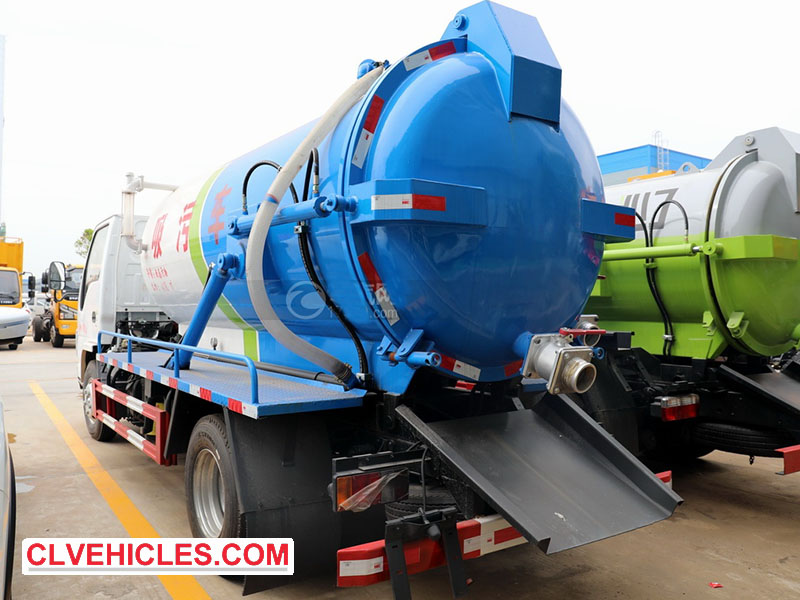
تتشابه الخزانات المتكاملة ظاهريًا مع شاحنات شفط مياه الصرف الصحي التقليدية، ولكن مع اختلاف جوهري في تصميمها الداخلي: حيث يُقسّم الجزء الداخلي للخزان لنقل المياه النظيفة ومياه الصرف الصحي. في هذه الخزانات، يُقسّم غلاف واحد إلى قسمين مستقلين بواسطة حواجز فولاذية داخلية. وتتمثل الميزة الأبرز في إمكانية تخصيص نسبة الحجم؛ فعلى سبيل المثال، يمكن تخصيص سعة إجمالية تبلغ 8 أمتار مكعبة بمرونة، بحيث تُخصص 3 أمتار مكعبة لمياه الصرف الصحي و5 أمتار مكعبة للمياه النظيفة، أو تُوزع بالتساوي على قسمين، كل قسم 4 أمتار مكعبة، وذلك حسب متطلبات التشغيل المحددة (مثل دورات التنظيف الطويلة مع أحمال شفط أعلى). ومع ذلك، يتمثل أحد القيود الجوهرية في أن القسمين مُدمجان بشكل دائم ضمن هيكل واحد، مما يمنع فصلهما فعليًا. وهذا يعني أن أي تسرب أو تلف في أحد القسمين قد يُعرّض الخزان بأكمله للخطر، كما أن استبدال أو إصلاح الحواجز الداخلية عملية مُرهقة وتتطلب جهدًا كبيرًا.
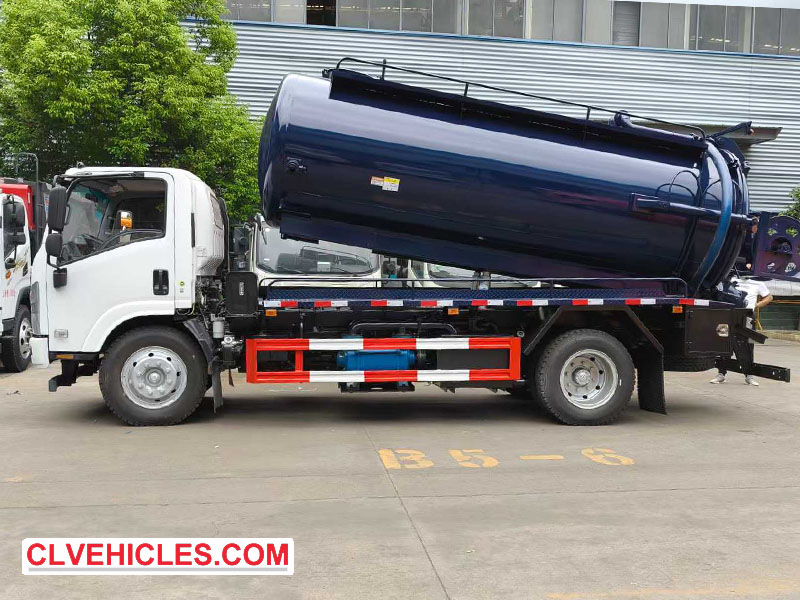
5. نوع الخزان المتجانس - هيكل منفصل وتقييم السوق
تتميز التصاميم المتكاملة المستقلة بخزانين خارجيين منفصلين: خزان صرف صحي قابل للرفع وخزان مياه نظيفة ثابت مثبت على الهيكل. ورغم أن هذا التصميم يسمح بإمالة خزان الصرف الصحي لتسهيل عملية التفريغ والتنظيف، إلا أن الخزان الثابت يواجه نفس صعوبات الصيانة التي تواجهها الخزانات الجانبية شبه المغلقة، حيث تبقى صيانة الجزء الخلفي أو السفلي من الخزان الثابت عملية شاقة. علاوة على ذلك، يزيد تصميم الخزانين من التعقيد الهيكلي لتركيب الهيكل. وفي السوق الحالية، تُعد الخزانات المتكاملة والهياكل الجانبية المغلقة بالكامل من أكثر الخيارات شيوعًا. فمزيجها المتوازن من مرونة السعة وسهولة الصيانة والمتانة الشاملة غالبًا ما يتفوق على البدائل الأخرى، مما يوفر للمشترين أفضل عائد على الاستثمار في مجال الرعاية الصحية الحضرية المتنوعة.
هل أنت مستعد لتحديث أسطول مركبات الصرف الصحي البلدية لديك؟ حمّل أحدث دليل مقارنة ودليل صيانة لدينا لـ شاحنات شفط مياه الصرف الصحي من إيسوزو.
بالاستفسار اليوم، ستحصل على:
- خصم المصنع الحصري: وفر حتى 1500 دولار على طلبك الأول هذا الشهر.
- حزمة قطع الغيار: قطع غيار قابلة للاستهلاك لمدة عام واحد (خراطيم، موانع تسرب، فلاتر مضخة التفريغ) متضمنة مجاناً.
- عرض أسعار الشحن: احصل على تقدير فوري لتكلفة الشحن إلى أقرب ميناء إليك.
اتصل بنا سارع! اترك بريدك الإلكتروني وميناء الوصول للحصول على العرض!